

About Us
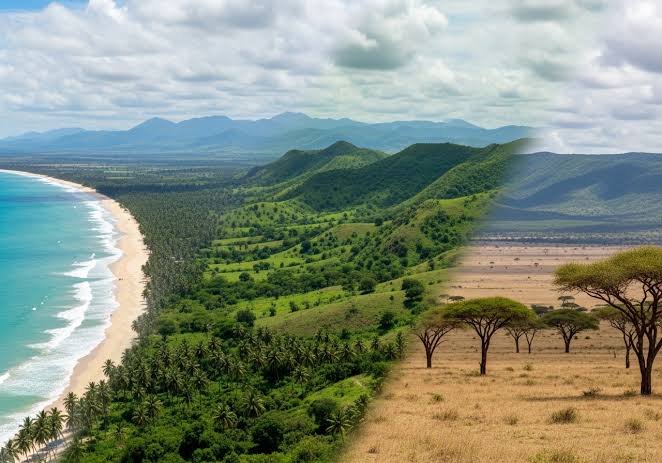
Climate change in Tanzania is driving [Highlight start] rising temperatures, shifting rainfall patterns, and severe weather shocks that cost an estimated 2% to 3% of GDP annually [Highlight end] . Although Tanzania contributes a small share of global greenhouse gas emissions (around 0.31%), it faces high climate vulnerability and threatens its long-term economic and food security goals. According to the Tanzania Country Climate and Development Report and UNDP Climate Change Adaptation, climate risks could slow growth, push millions into poverty, and drive internal displacement without stronger adaptation.
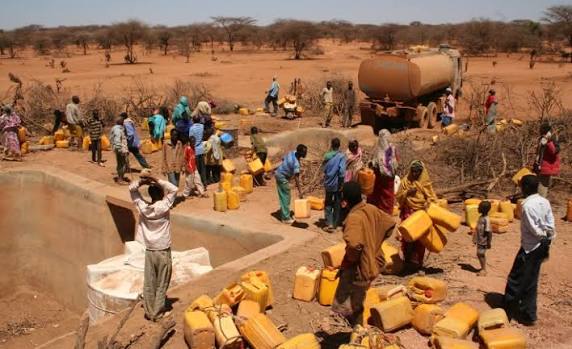
The adverse impacts of Climate Change are already having their toll in the livelihoods of people and in the sectors of the economy in the country. Frequent and severe droughts in many parts of the country are being felt with their associated consequences on food production and water scarcity among others.
The recent severe droughts which hit most parts of the country leading to severe food shortages, food insecurity, water scarcity, hunger and acute shortage of power signify the vulnerability of the country to impacts of climate change. The extreme drop of water levels of Lake Victoria, Lake Tanganyika and Lake Jipe in recent years and the dramatic recession of 7km of Lake Rukwa in about 50 years, are associated, at least in part, with climate change, and are threatening economic and social activities. Eighty per cent of the glacier on Mount Kilimanjaro has been lost since 1912 and it is projected that the entire glacier will be gone by 2025.
Weather & Geographical Updates
Among the several Climatic and Geographical Updates including the following in corresponding to Zones and level of diversifications;
|
Month
|
Jan
|
Feb
|
Mar
|
Apr
|
May
|
Jun
|
July
|
Aug
|
Sept
|
Oct
|
Nov
|
Dec
|
| Weather | ||||||||||||
| Rainfall | 1.4 | 2.0 | 4.7 | 13.8 | 9.3 | 1.5 | 1.0 | 0.7 | 0.6 | 1.0 | 2.5 | 2.1 |
| Humidity | 58 | 57 | 63 | 73 | 77 | 72 | 69 | 66 | 61 | 57 | 57 | 60 |
Organizational Background
Climate change focus is a Non Governmental Organization registered under the Non-Governmental Organizations Act, No. 24 of 2002, as amended from time to time. The head office is based at Sinoni- Monduli District in Arusha Tanzania.The Organization operates Nationally.
The official languages of the Organization is English and Kiswahili. For the sake of community awareness raising local languages may be used. The organization is a non-profit voluntary organization, autonomous and independent of its members and shall endeavor to fulfill its objectives in the best interest of its target people
Our Vision
To be the topmost organization that contribute to a climate-resilient Tanzania where communities, ecosystems, and economies thrive sustainably despite the challenges of climate change
Our Mission
To combat climate change in Tanzania by promoting sustainable environmental practices, empowering communities through education and innovation, and supporting climate adaptation and mitigation initiatives that protect natural resources and improve livelihoods.
Responsilities
The organization's Responsilities include;
- To sensitize Community on Climate Change adaptations
- To promote Smart Agriculture actvities
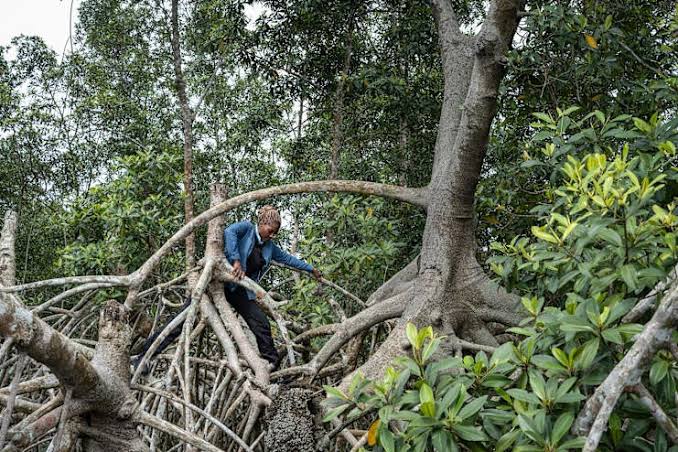
- To strengthen Environmental Conservation and innovation
- To advocate for Climate policies
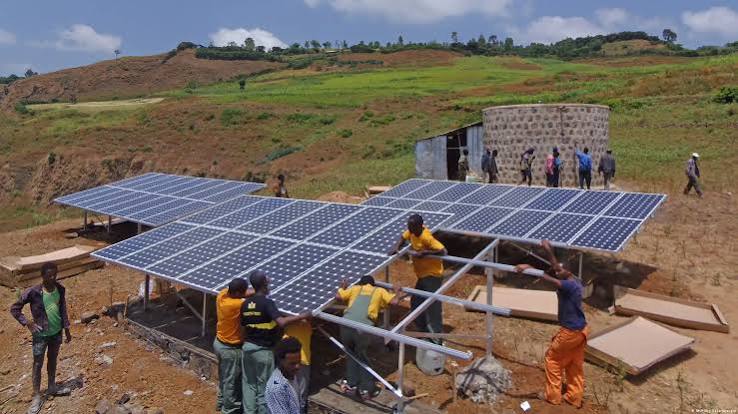
- To support and advocate for Renewable energy use
Projects
Among of the Projects by our Team include the following;
SERVICES
Head Office
The head office is be based in Sinoni- Monduli District in Arusha Tanzania
Status
The organization is a non-profit voluntary organization, autonomous and independent of its members endeavor to fulfill its objectives in the best interest of its target people
Vision
To be the topmost organization that contribute to a climate-resilient Tanzania where communities, ecosystems, and economies thrive sustainably despite the challenges of climate change
Mission
To combat climate change in Tanzania by promoting sustainable environmental practices, empowering communities through education and innovation, and supporting climate adaptation
A. Objective
To sensitize Community on Climate Change adaptations
B. Objective
To promote Smart Agricultural activities
C. Objective
Strengthening environmental conservation and innovation
D. Objective
To Support and advocate for Renewable Energy uses
Search for Our Contents
Search for Our Contents here