Renewable Energy Project
Read More



We are Happy You Joined Us
To Combat the Impact of Climate Change in the Community through Creation and Promotion of Local Initiatives.
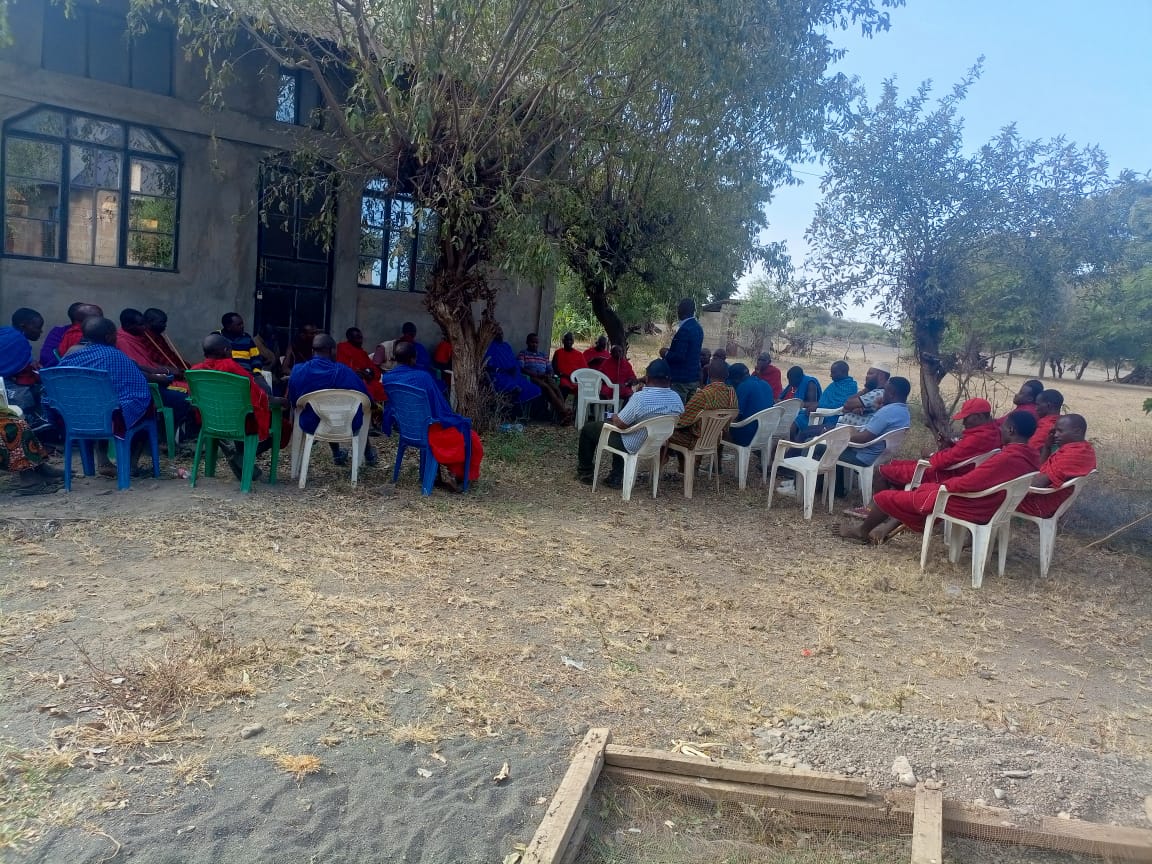
Supporting the Most Vulnerable Communities in Climate Change Adaptation.
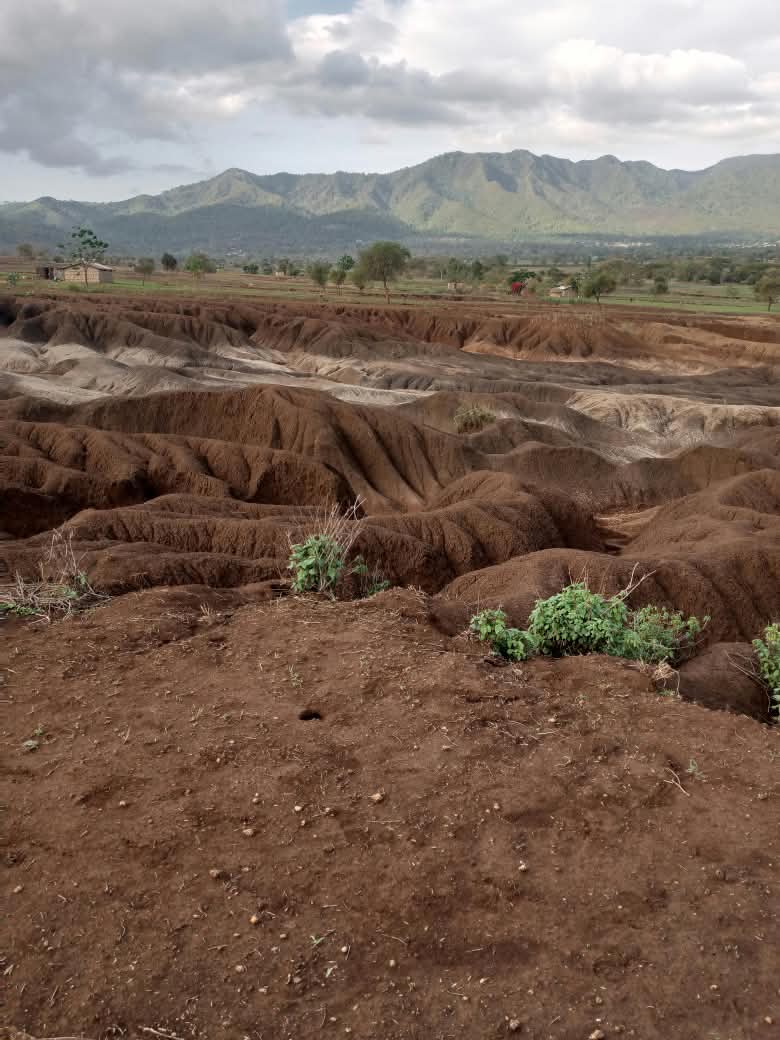
Encouraging Collaboration Between Government, Researchers and Communities.
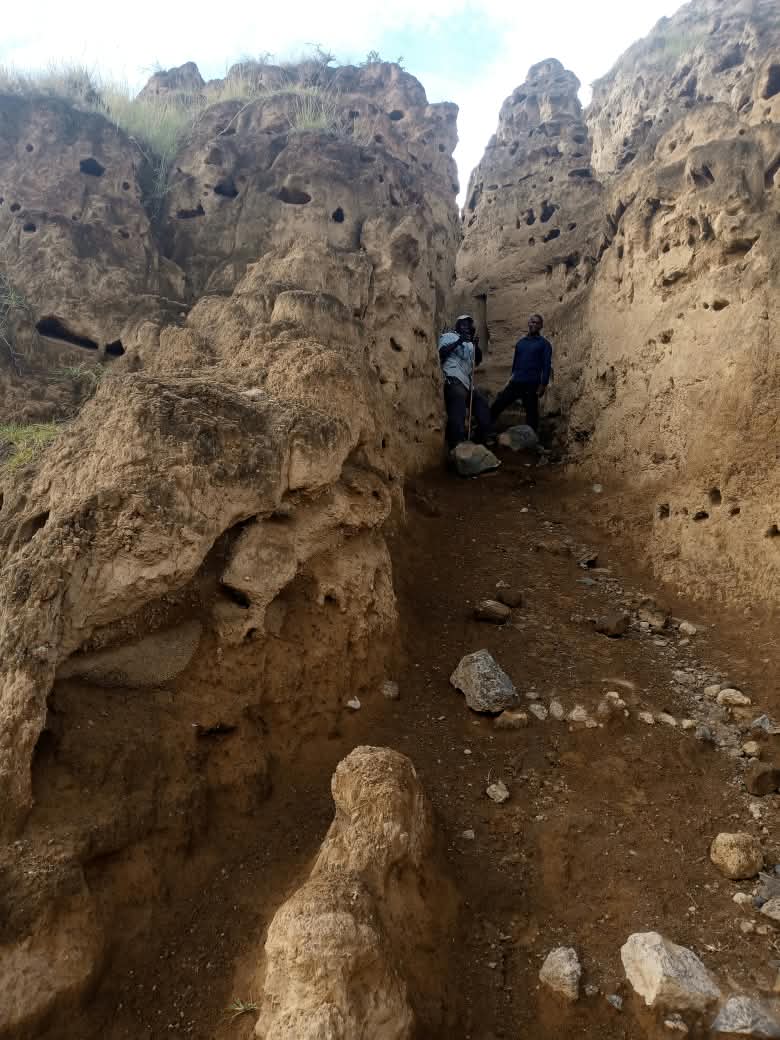
Advocating for Effective Climate Policies and Sustainable Development.
The head office is be based in Sinoni- Monduli District in Arusha Tanzania
The organization is a non-profit voluntary organization, autonomous and independent of its members endeavor to fulfill its objectives in the best interest of its target people
To be the topmost organization that contribute to a climate-resilient Tanzania where communities, ecosystems, and economies thrive sustainably despite the challenges of climate change
To combat climate change in Tanzania by promoting sustainable environmental practices, empowering communities through education and innovation, and supporting climate adaptation
To sensitize Community on Climate Change adaptations
To promote Smart Agricultural activities
Strengthening environmental conservation and innovation
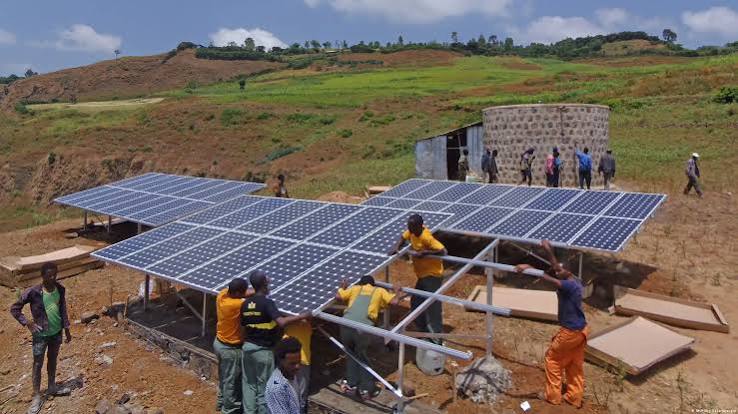
To Support and advocate for Renewable Energy uses
Climate change has become one of the most pressing environmental and socio-economic challenges facing Tanzania and the world at large. The country is particularly vulnerable due to its dependence on climate-sensitive sectors such as agriculture, livestock, water resources and tourism. Notable ecosystems and landscapes—including Mount Kilimanjaro, Serengeti, Ngorongoro, Manyara and Tarangire National Parks and the Zanzibar Archipelago—are already experiencing the effects of rising temperatures, changing rainfall patterns, invasive plants and increased frequency of extreme weather events. Rural populations, in particular, are highly exposed to droughts and floods, which disrupt food production and water availability.
The organization is a non-profit voluntary organization, autonomous and independent of its members and shall endeavor to fulfill its objectives in the best interest of its target people
Climatic related enhanced Projects
Both Farming and Livestock driven projects
Projects in relationship to Renewable Energy
Among the several Climatic and Geographical Updates including the following in corresponding to Zones and level of diversifications;
|
Month
|
Jan
|
Feb
|
Mar
|
Apr
|
May
|
Jun
|
July
|
Aug
|
Sept
|
Oct
|
Nov
|
Dec
|
| Weather | ||||||||||||
| Rainfall | 1.4 | 2.0 | 4.7 | 13.8 | 9.3 | 1.5 | 1.0 | 0.7 | 0.6 | 1.0 | 2.5 | 2.1 |
| Humidity | 58 | 57 | 63 | 73 | 77 | 72 | 69 | 66 | 61 | 57 | 57 | 60 |
Tanzania's most remarkable environmental passages are its wildlife corridors—natural ecological lifelines
that let animals move
between protected habitats for food,
water, and breeding.
Two standout corridors showcase how conservation and local communities keep these passages open.
Deforestation in Tanzania is a pressing environmental and economic challenge,
with official estimates placing annual forest loss around 469,420 hectares per year
and monitoring data showing 250,000 hectares
of natural forest lost in 2025 alone [Highlight end] .
Spanning miombo woodlands, coastal forests, and montane ecosystems, Tanzania’s forests store billions of tonnes of carbon and support rural livelihoods,
making their rapid clearance a threat to both local communities and climate stability.
Tanzania holds tens of millions of hectares of forest and woodland across national reserves, local authority forests, and unreserved village land.
Between 2001 and 2025, satellite monitoring recorded 3.7 million hectares of tree cover loss nationwide, resulting in 1.3 gigatonnes of carbon dioxide equivalent emissions.
Loss is unevenly distributed across the country. Unreserved village land experiences the heaviest pressure because land-use boundaries
and forest protection rules are often weaker than in formally designated reserves.
Regions such as Pwani, Lindi, Morogoro, Ruvuma, and Tabora have accounted for more than half of all tree cover loss since 2001,
while highland and river basin areas—including the Uluguru Mountains
and basins feeding major waterways like the Great Ruaha and Ruvu rivers—face acute ecological strain.
We work closely with;

“We are mandated to provide meteorological services of safety in relationship to the services offered by Climate Change Focus organisation

“Agriculture is our wisest pursuit, because it will in the end contribute most to real wealth, good morals, and happiness”

“Tumia Nishati Safi: Linda Mazingira, Tunza Afya, Okoa Muda kwa Uchumi Endelevu”

“We serve for Sustainable Conservation and Tourism Excellence”
Among of the Projects by our Team include the following;
Search for Our Contents here